
 Video
Video

Automotive Manufacturing & Maintenance

Torque Tool Solutions for Consistent and Reliable Fastening
Automotive manufacturing and maintenance torque tool solutions are designed to help users achieve controlled, repeatable fastening performance across production lines, repair shops, and service operations. In automotive applications, fastening quality directly affects vehicle safety, assembly consistency, maintenance efficiency, and long-term reliability.
Torque-Tech provides industrial-grade torque tool solutions for engine assembly, chassis fastening, wheel service, suspension work, and general repair applications. Our tools help reduce fastening variation, improve torque control, and support more reliable results in both high-volume manufacturing and day-to-day maintenance environments.
As a professional torque tool manufacturer, supplier, and OEM / ODM partner, Torque-Tech also supports B2B buyers, importers, tool brands, and industrial customers with application-based product recommendations according to torque range, square drive size, and real working conditions.
Key Takeaways
- Automotive manufacturing and maintenance require stable and repeatable torque control.
- Fastening quality directly affects vehicle safety, assembly consistency, and service reliability.
- Common applications include engine components, chassis parts, wheels, suspension systems, and general repair fastening.
- Different vehicle types, torque values, working positions, and unit systems require different tool selection logic.
- Torque-Tech provides practical torque tool solutions to help reduce under-tightening, over-tightening, thread damage, and rework.
- For B2B buyers and OEM / ODM customers, the right tool selection should be based on actual application needs, not torque value alone.
Why Torque Control Matters in Automotive Manufacturing & Maintenance
Automotive environments require more than basic fastening capability. On production lines, repetitive assembly, final inspection, and rework operations require consistent torque control across different operators and production batches. In maintenance and repair environments, technicians often need to work with different vehicle models, torque specifications, unit systems, and fastening positions.
If torque is applied incorrectly, it can lead to loose fasteners, over-tightening damage, stripped threads, inconsistent assembly quality, and increased safety risk. For procurement teams, engineers, service managers, and business owners, selecting the right torque tool is therefore a practical decision that affects product quality, maintenance efficiency, and operating cost.
In automotive applications, torque control is not only a tool function. It is also part of a broader quality assurance and risk reduction process.
Industry Needs and Common Pain Points
Automotive production and repair environments move quickly. If torque output is inconsistent, fastening errors can occur easily, especially in repetitive or high-volume work. Buyers and operators need tools that support stable and repeatable torque application.
Repair and maintenance teams often work across different car models, bolt sizes, torque values, and fastening positions. This creates challenges if the tool is difficult to adjust, hard to read, or not suitable for multiple tasks.
Incorrect torque can cause loose joints, component damage, thread failure, and later safety concerns. In service and assembly work, reducing these risks is one of the main reasons for using a reliable torque tool.
Procurement teams and industrial buyers often need a clearer way to choose among different torque wrench structures, square drive sizes, and torque ranges. A tool that matches the actual application can improve both purchasing efficiency and on-site performance.
Some customers need more than a standard tool. They may also require OEM / ODM support, private labeling, or recommendations based on a preferred tool style, square drive size, or torque range.
Typical Automotive Manufacturing & Maintenance Applications
Torque-Tech torque tool solutions can be used across a wide range of automotive assembly and service tasks. These applications typically require controlled torque, repeatable performance, and practical usability.
Used in engine-related assembly and service tasks where accurate torque helps support fastening reliability and assembly consistency.
Suitable for chassis fastening applications that require controlled torque output to reduce fastening variation and support consistent assembly quality.
Applicable to wheel-related maintenance where dependable torque control helps support fastening safety and service quality.
Supports suspension-related installation and maintenance tasks that require accurate and repeatable tightening performance.
Useful for daily workshop operations involving multiple vehicle models, varying torque values, and different fastening positions.
Helps manufacturers support consistent torque application during repetitive assembly, final inspection, and rework operations.
From Application Needs to Recommended Torque Tools
The right torque tool should be selected based on real application needs, not only nominal torque value. Factors such as square drive size, working space, fastening frequency, operator preference, and risk of over-tightening all influence tool selection.
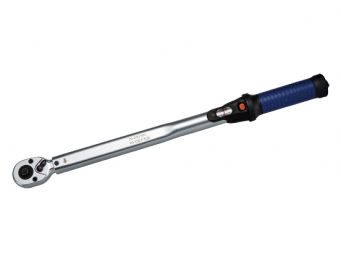
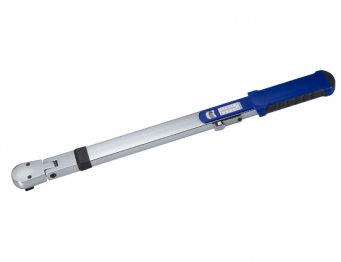
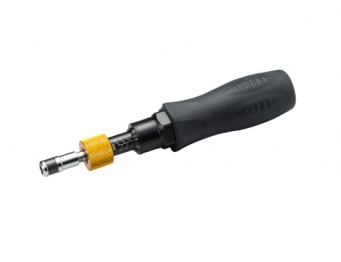
For example, adjustable ratchet torque wrenches are practical for general automotive use, split-beam designs are useful for faster setting adjustment and flexible access, torque screwdrivers are suitable for smaller fasteners and precision work, and slipping torque wrenches can help reduce over-tightening risk in repetitive applications.
This application-based approach helps procurement teams, engineers, and workshop managers choose tools that better match actual operating conditions.
How Torque-Tech Solves Automotive Fastening Challenges
Torque-Tech develops torque tool solutions based on actual industrial fastening needs. The goal is not only to provide a torque specification, but also to help customers improve fastening quality, reduce variation, and select tools more effectively for real automotive work.
Reliable torque output helps reduce fastening deviation and supports more stable assembly and maintenance results.
Depending on the model, features such as window scales, dual-unit displays, micrometer adjustment, and practical setting structures help users set and read torque values more efficiently.
Selected models such as slipping torque wrenches and torque screwdrivers help reduce the risk of excessive tightening in sensitive or repetitive applications.
Torque-Tech products are designed for industrial use. Depending on the model, practical features may include robust structures, ergonomic grips, locking systems, and clear torque feedback.
Torque-Tech supports OEM / ODM, B2B supply, and application-based product matching. Customers can provide square drive size, torque range, preferred structure, or reference images for more suitable recommendations.
Recommended Torque-Tech Tool Types for Automotive Applications
Suitable for general automotive assembly, repair, and maintenance applications that require visible torque setting, strong click feedback, and robust daily-use performance.
Suitable for applications where users need faster torque adjustment, flexible working angles, and convenient operation in tighter spaces.
Suitable for smaller fasteners, controlled low-torque applications, and precision work in automotive sub-assemblies or service tasks.
Suitable for repetitive fastening tasks or applications where reducing over-tightening risk is especially important.
Recommeded Products
.jpg "Adjustable Slipping Type Torque Wrench for Precision Control by Torque-Tech")
Comparison Table for Tool Selection
| Application Need | Main Requirement | Recommended Tool Type | Key Benefit |
| Engine assembly | Accurate and repeatable torque | Adjustable Ratchet Torque Wrench | Supports stable fastening quality |
| Chassis fastening | Reliable torque for structural parts | Adjustable Ratchet Torque Wrench | Improves consistency in general automotive assembly |
| Wheel and tire service | Clear setting and dependable torque control | Flexible Head Split-Beam Torque Wrench or Adjustable Ratchet Torque Wrench | Improves service efficiency and fastening confidence |
| Suspension maintenance | Practical access and controlled tightening | Flexible Head Split-Beam Torque Wrench | Better handling in limited-access areas |
| Small fasteners or precision parts | Low torque control and over-tightening protection | Industrial Torque Screwdriver | Better precision for sensitive fastening tasks |
| Repetitive maintenance work | Reduced risk of excessive tightening | Adjustable Slipping Torque Wrench | Helps prevent over-tightening |
| Multi-model repair operations | Flexible torque setting across tasks | Adjustable Torque Wrench | Improves versatility for workshops |
| B2B custom sourcing | Matching tool structure to actual need | OEM / ODM torque tool solution | Supports better application fit and supply flexibility |
Why Choose Torque-Tech
Torque-Tech is more than a product supplier. We support customers as a:
- Torque tool manufacturer
- Industrial supplier
- OEM / ODM partner
- Application-based solution provider
Customers choose Torque-Tech because we offer:
- Practical torque tool solutions for industrial and automotive use
- Multiple product types for different fastening conditions
- Quality-oriented manufacturing and traceability support
- Product designs with readable settings and user-friendly operation
- OEM / ODM cooperation for B2B customers and tool brands
- Recommendation support based on torque range, square drive size, and working style
If you are sourcing a torque tool for automotive manufacturing, maintenance, or workshop use, Torque-Tech can help identify a more suitable solution based on your real application requirements. Welcome to contact Torque-Tech for suitable product suggestions.
FAQ About Automotive Manufacturing & Maintenance Torque Tool Applications
A1: Torque control helps improve fastening consistency, reduce assembly errors, and support vehicle safety and reliability. In both production and repair environments, incorrect torque can lead to loose fasteners, over-tightening damage, thread problems, and rework.
A2: Common applications include engine assembly, chassis fastening, wheel service, suspension work, and general repair or maintenance tasks. These applications require controlled and repeatable fastening performance.
A3: Buyers should evaluate torque range, square drive size, workspace limitations, fastening frequency, and whether the application needs adjustable, flexible-head, slipping, or low-torque precision tools. Tool selection should match actual working conditions, not just nominal specification.
A4: Properly selected torque tools help operators stop at the intended torque value. In particular, slipping torque wrenches and torque screwdrivers are useful when over-tightening may damage components, threads, or sensitive assemblies.
A5: Yes. Torque-Tech supports B2B supply, OEM / ODM cooperation, and application-based torque tool recommendations according to required torque range, square drive size, tool structure, and branding needs.
A6: Customers can provide square drive size, torque range, application type, preferred tool structure, and reference images. For example, a buyer may request a 1/2" drive tool with a torque range of 40–200 Nm for automotive maintenance use.



