
 Video
Video

What Is a Torque Multiplier? A Guide to Heavy-Duty Bolting Applications
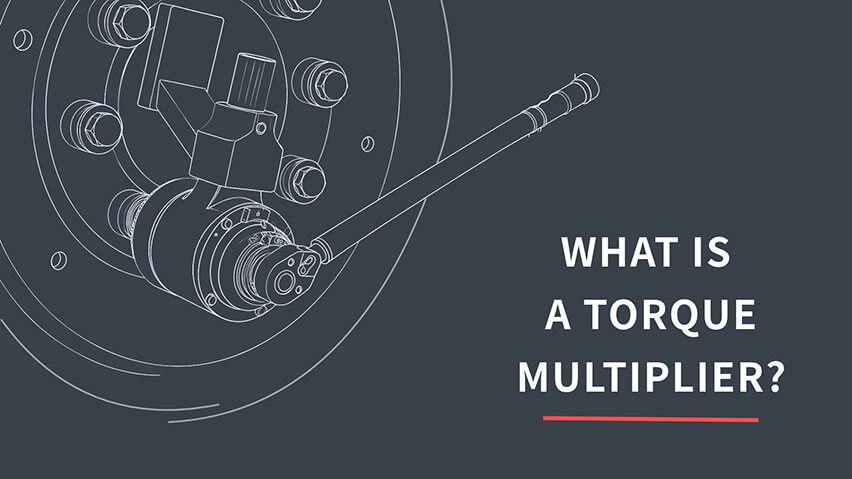
In heavy-duty bolting applications, one common challenge appears repeatedly: a standard torque wrench often cannot provide enough force for large, stubborn, or high-torque fasteners. This is especially true in industries such as maintenance, construction, manufacturing, transportation, mining, and heavy equipment service, where bolted joints must be tightened or loosened safely and predictably.
A torque multiplier is designed for situations where manual force alone is no longer practical. In simple terms, a torque multiplier tool uses a gear mechanism to multiply the input torque from a wrench, making it possible to achieve much higher output torque without excessive physical effort. For buyers, plant owners, and maintenance teams, this means improved safety, better torque control, and more reliable fastening performance in demanding jobs.
Why a Standard Torque Wrench Is Not Enough for Heavy-Duty Bolting
A standard torque wrench works well within a normal torque range, but it becomes inefficient when the application requires significantly higher torque. In the field, several common pain points often appear:
- Fasteners are too tight due to corrosion, load, or long service intervals
- Operators use unsafe extension bars to gain more leverage
- Tightening results vary from one worker to another
- Space is limited, making large hydraulic systems or long handles difficult to use
- Maintenance teams need portable tools for on-site service
These issues are more than minor inconveniences. In industrial settings, inaccurate tightening can lead to joint loosening, leakage, vibration issues, premature wear, equipment downtime, and safety risks. That is why selecting the right torque multiplier wrench is not just about convenience; it is about process reliability.
What Is a Torque Multiplier?
A torque multiplier is a mechanical device designed to increase the torque applied to a fastener. Most models use a planetary gear system or a high-ratio gearbox. A manageable input torque is applied at the handle, and the internal gearing multiplies that force into a much higher output torque.
For example, with a high gear ratio, output torque can go far beyond what a standard hand wrench can comfortably achieve. This makes the torque multiplier especially useful for:
- Heavy machinery maintenance
- Truck and bus wheel service
- Industrial assembly
- Structural bolting
- Energy and utility maintenance
- Repair work in confined or remote locations
In other words, a torque multiplier helps bridge the gap between ordinary hand tools and more complex powered torque systems.
How a Torque Multiplier Works
The basic working principle is straightforward:
- Force is applied to the input drive using a torque wrench or hand wrench
- The gearbox multiplies that force
- A reaction arm absorbs the counterforce against a stable point
- The output square drive transfers amplified torque to the socket and fastener
This mechanical advantage makes high torque application more controlled and ergonomic.
Key Components of a Torque Multiplier Tool
-
Gear Mechanism
This is the core of the tool. It determines how much input torque is multiplied into output torque.
-
Reaction Arm
The reaction arm is essential for safe operation. It resists the counterforce generated during use and stabilizes the tool.
-
Input and Output Drive
The input connects to the driving tool, while the output connects to the socket and fastener.
-
Housing and Build Quality
For industrial use, durability, gear precision, and overall structural strength are critical considerations.
When Should a Torque Multiplier Wrench Be Used?
A torque multiplier wrench is recommended when the required torque is beyond the comfortable or safe range of a standard torque wrench. Common situations include:
- Tightening large bolts to specified torque values
- Loosening seized or over-tightened fasteners
- Performing field maintenance where powered tools are not practical
- Working in areas where portability matters
- Improving consistency in manual heavy-duty fastening tasks
For procurement teams, this matters because the wrong tool choice often creates hidden costs, including worker fatigue, inconsistent quality, tool damage, and longer maintenance time.
Torque Multiplier vs. Standard Torque Wrench vs. Powered Torque Tool
Before choosing a tool, it helps to compare the options clearly.
| Tool Type | Best For | Main Advantage | Main Limitation |
| Standard
Torque Wrench |
Low to moderate torque jobs | Simple and low cost | Limited torque capacity |
| Torque Multiplier Tool | High-torque manual applications | High output torque with portability and control | Slower than powered systems in repetitive high-volume work |
| Powered Torque Tool | Repetitive industrial tightening | Fast and efficient for production | Higher cost, more setup, less convenient in some field conditions |
This comparison shows why the torque multiplier tool remains highly relevant. It offers an effective middle ground for teams that need high torque without immediately moving to a fully powered system.
Main Benefits of Using a Torque Multiplier
Safer Operation
Instead of relying on excessive body strength or improvised leverage, the multiplier creates torque mechanically. This reduces injury risk and discourages unsafe working habits.
Higher Torque Capacity
A torque multiplier extends the usable range of manual fastening, making heavy-duty bolting tasks more manageable.
Better Accuracy and Consistency
When paired with proper procedures, a torque multiplier helps produce more repeatable results than uncontrolled manual force.
Portability for Field Work
In maintenance, construction, and service work, portability matters. A mechanical multiplier is often easier to carry and deploy than larger powered systems.
Lower Physical Strain
This is particularly important for crews that perform bolting tasks regularly. Lower strain can support both productivity and work quality.
How to Choose the Right Torque Multiplier
When evaluating a torque multiplier for industrial use, the following criteria matter most:
- Output torque range
The tool should safely cover the application’s required torque range while leaving enough operating margin. - Gear ratio
A higher ratio provides more output torque from less input force, but it may also affect speed. The right balance depends on the application. - Reaction arm design
The reaction arm should fit the working environment and provide stable support during operation. - Size and accessibility
In confined workspaces, compact dimensions can be just as important as torque capacity. - Accuracy and quality assurance
For professional industrial use, manufacturing quality, traceability, and dependable quality management are important. - Application environment
Requirements may differ significantly across automotive, heavy industry, repair, and construction applications.
Industry Trend: Why Torque Control Matters More Than Ever
Across global industrial markets, there is growing attention on safety, maintenance efficiency, and fastening reliability. Buyers are under pressure to reduce downtime, extend asset life, and standardize service procedures. At the same time, many operations still need practical manual solutions for field conditions where powered tools are not always ideal.
This is one reason torque management tools continue to gain importance. A well-selected torque multiplier supports a broader shift toward better torque control, more consistent maintenance outcomes, and safer bolting practices. As more companies focus on preventive maintenance and traceable quality systems, demand for dependable torque tools is likely to remain strong.
Best Practices for Using a Torque Multiplier Tool
To achieve the best results, the following practices are recommended:
- Confirm the target torque requirement before use
- Make sure the reaction arm is positioned against a secure reaction point
- Use compatible sockets and accessories
- Follow the manufacturer’s operating instructions
- Avoid improvised setups that can shift under load
- Inspect the tool regularly for wear or damage
- Train operators on safe torque application procedures
A torque multiplier is a powerful solution, but like any industrial tool, it performs best when used with correct technique and a clear understanding of the application.
FAQ: Torque Multiplier Basics for Buyers and Users
A torque multiplier is used to tighten or loosen fasteners that require more torque than a standard torque wrench can comfortably or safely deliver.
No. A torque wrench measures or controls applied torque, while a torque multiplier increases torque through a gear mechanism. In many applications, the two can be used together.
A torque multiplier tool is a strong option when portability, simplicity, field use, or budget are important, and when the job does not require the speed of a powered system.
Yes. It can reduce the need for unsafe leverage methods, lower operator strain, and provide more controlled torque application when used properly.
Common industries include automotive service, heavy equipment maintenance, manufacturing, construction, transportation, repair, and other heavy-duty industrial sectors.
Buyers should review torque range, gear ratio, tool size, reaction arm design, build quality, and whether the supplier can support industrial quality and application needs.
Why This Matters for Torque-Tech Customers
For companies dealing with demanding bolting applications, choosing the right torque solution is not only a tooling decision. It affects productivity, safety, maintenance quality, and end-user confidence. Torque-Tech Precision Co., Ltd. focuses on torque control solutions and manufactures torque multipliers with torque ranges from 300 N·m to 4500 N·m, serving industries such as automotive, manufacturing, construction, repair, and heavy industry. For buyers seeking dependable options, the torque multiplier product line is available here:
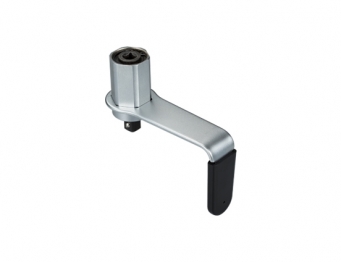
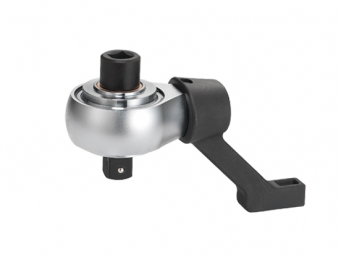
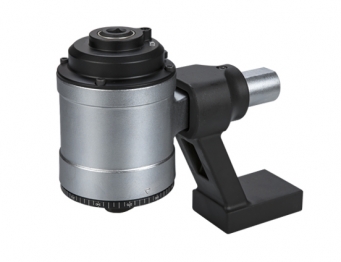
For companies evaluating a suitable torque multiplier tool or torque multiplier wrench for a specific application, Torque-Tech’s team can help identify an appropriate solution based on torque range, operating environment, and usage requirements. If you have any questions or neep help selecting a suitable torque multiplier, contact Torque-Tech today!



